

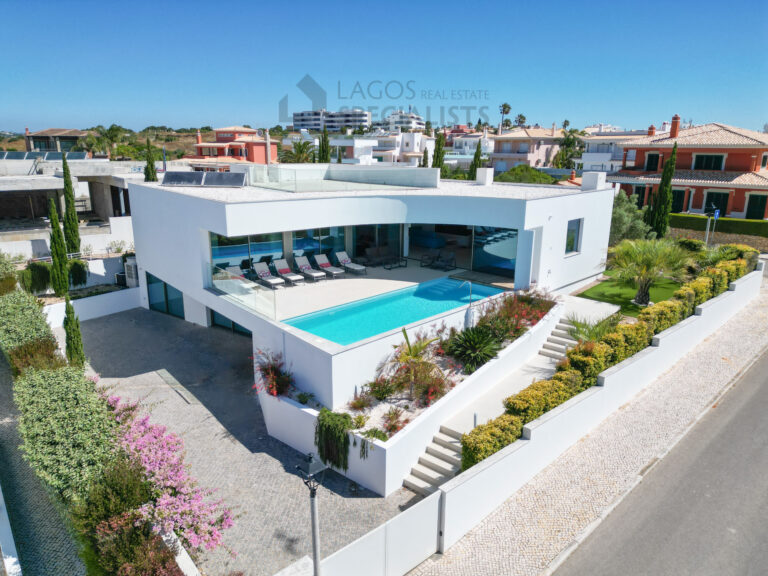


How to Buy Property in Portugal - A Practical 4-step Buyer’s Guide
Buying property in another country can feel like a big step – but the process on how to buy property in Portugal is actually very clear and secure when you have the right people guiding you. Over the past 25+ years working in real estate here in Lagos, I’ve helped buyers from all over the world navigate the journey from their first viewing trip to the moment they collect the keys and beyond- here are the four key steps and things to expect based on my experience.
How to Buy Property in Portugal: The Purchase Process
The process runs in four stages: reserving the property, legal due diligence by your lawyer, signing the Promissory Contract (CPCV) with a minimum 10% deposit, and finally signing the Deed of Purchase (Escritura), where the balance is paid and ownership transfers into your name.
Buying property in Portugal follows a structured legal process designed to protect both buyer and seller. While each transaction can vary slightly, the typical steps are outlined below. If you’re thinking about buying property in Lagos or elsewhere in the Algarve, this guide will walk you through the process so you know exactly what to expect. If you’d prefer to talk things through personally, you’re always welcome to reach out through the Contact page. You can also explore current opportunities on the Lagos property listings page.
Planning Your Property Viewing Trip
Many international buyers prefer to visit Lagos before purchasing. Ideally, you should allow a minimum of four working days for your visit so that we can:
- Introduce you to a lawyer
- Sign a Power of Attorney if needed
- Arrange your NIF if required
- Open a Portuguese bank account
- View suitable properties
If you are planning to travel to Lagos, please try to give me at least two weeks’ notice of your arrival (ideally longer) so we can prepare everything in advance and make the most of your visit. You can read a detailed guide here: How to Plan the Perfect Property Buying Trip to Lagos.
What You’ll Need Beforehand
- A Lawyer: A qualified property lawyer is essential to understand how to buy property in Portugal. They will handle all legal checks, contracts and fund transfers throughout the process.
- A Portuguese Tax Identification Number (NIF) is required for purchasing property, opening a bank account and most financial transactions in Portugal. This can usually be arranged quickly through your lawyer or fiscal representative.
- A Portuguese Bank Account: Opening a Portuguese bank account is strongly recommended. It makes transferring funds and managing ongoing property expenses much easier.
- A completed client information form
- Proof of address (for example a recent utility bill)
- A copy of your passport
Next Steps if You Decide to Proceed
Step 1- Reserving the Property
Once you’ve found the property you’d like to purchase, the first step is normally to reserve it.
A reservation payment is transferred to your lawyer’s client account, which secures the property and takes it off the market while legal checks begin.
During this stage, your lawyer begins the due diligence process, verifying that everything related to the property is legally correct before you move forward.
Step 2- Legal Due Diligence
Your lawyer will carry out a full legal review of the property. This typically includes verifying:
- Ownership of the property
- Land registry records
- Planning permissions and licenses
- Any debts or charges attached to the property
- Compliance of the property documentation
This stage usually takes around one to two weeks, depending on the property.
You can learn more about how I guide buyers through this process on the Buy With Me page. If you need help choosing one, I can introduce you to trusted English-speaking property lawyers here in Lagos which I will personally recommend based on your personal situation.
Step 3- The Promissory Contract (CPCV)
Once the legal checks are complete, the next step is signing the Promissory Contract, known in Portugal as the CPCV (Contrato de Promessa de Compra e Venda). This is the legally binding agreement between buyer and seller, confirming the intention to complete the purchase. At this stage:
- The contract terms are agreed
- The contract is written in Portuguese & translated into English
- A deposit is paid (minimum 10% of the purchase price)
- The reservation payment is deducted from this deposit
- Part of the legal fees is usually paid at this stage (often around 50%)
Once signed, both parties are committed to completing the transaction under the agreed terms.
Step 4- Final Deed (Completion)
The final stage is the Deed of Purchase, known as the Escritura. This is where:
- The remaining balance of the purchase price is transferred
- All taxes and purchase costs are paid
- Ownership of the property is officially transferred
- The property is registered in your name
All funds are transferred via your lawyer’s client account, ensuring that everything is handled securely under Portuguese law.
How Long Does the Buying Process Take?
The timeline for buying property in Portugal can vary depending on the property and how quickly funds can be arranged. In most cases, the process follows this general structure:
- The Promissory Contract (CPCV) is usually signed 1–2 weeks after reservation, once the legal due diligence has been completed
- The final deed (completion) typically takes place 30 to 90 days after the CPCV
However, in some cases the process can move more quickly. If everything is prepared in advance – particularly if funds are ready and transfers can be arranged while you are in Portugal – purchases can sometimes be completed within a few weeks.
On the other hand, if funds need to be transferred from abroad or additional time is required, the timeline can extend accordingly. For new-build or off-plan properties, timelines and payment structures can vary depending on the stage of construction. If you’re unsure what timeline applies to your situation, we can walk through it together so there are no surprises along the way.
Taxes and Purchase Costs
When buying property in Portugal, there are several taxes and additional costs involved alongside the property price. Typical purchase costs include:
- IMT (Property Transfer Tax)
- Stamp Duty
- Legal Fees
- Notary Fees
- Land Registry Fees
- Small administrative costs
The exact amount will depend on the property price and your individual situation.
Before you proceed, your lawyer will provide a full breakdown of all costs, so everything is completely clear from the outset and there are no surprises.
If you’d like a more detailed explanation of how these costs are calculated, you can read our guide to Property Purchase Taxes in Portugal.
Other Frequently Asked Questions
Can foreigners buy property in Portugal?
Yes. There are no restrictions on foreign nationals — including non-EU/non-UK citizens — buying property in Portugal. You’ll need a Portuguese tax number (NIF) and, ideally, a Portuguese bank account to complete the purchase smoothly.
Do I need to be in Portugal to buy a property?
No. Many of my clients complete the entire process remotely by signing a Power of Attorney, which allows your lawyer to sign contracts and the final deed on your behalf. A viewing trip is recommended but not legally required.
How much deposit do I need to buy a house in Portugal?
A reservation deposit (a smaller, negotiable amount) secures the property initially. At the CPCV (promissory contract) stage, a standard deposit of at least 10% of the purchase price is paid, with the earlier reservation payment deducted from it.
Is the reservation deposit refundable?
The reservation deposit is generally non-refundable if you simply change your mind, though it protects you during the legal due-diligence period. The CPCV deposit becomes binding on both parties once signed — if the buyer withdraws without legal cause, it is typically forfeited; if the seller withdraws, they are usually liable to repay double the deposit. Always confirm the exact terms with your lawyer before signing.
Can I get a mortgage in Portugal as a non-resident?
Yes, non-residents can apply for a Portuguese mortgage, though banks typically lend a lower percentage of the property value (often up to 60–70%) compared to residents, and require proof of income and additional documentation. Speaking with a mortgage broker early in the process is worthwhile.
Do I need a survey before buying a property in Portugal?
It’s not legally required, but an independent structural survey is strongly recommended, particularly for older properties, rural properties, or renovation projects, to identify issues before you’re contractually committed.
What happens if I can't travel for the final deed (Escritura)?
You can authorize your lawyer to sign on your behalf via Power of Attorney, so the completion can proceed even if you’re not physically in Portugal.
Does buying property in Portugal qualify me for residency (Golden Visa)?
Direct residential property purchase no longer qualifies for the Golden Visa under current rules — eligible routes are now limited to areas like qualifying investment funds or urban regeneration projects. It’s a separate legal process from a standard property purchase, so speak with an immigration lawyer if residency is your goal.
Local Support Beyond the Purchase
Buying property abroad often involves more than just the transaction itself. Over the years I’ve built a trusted local network here in Lagos to help clients with everything that comes next, including:
- Currency exchange for international transfers
- Furniture suppliers and interior setup
- Removals and relocation logistics
- Car rental during your stay
- Property management and rentals
Think of me as your team on the ground here in Lagos.
Thinking About Buying Property in Lagos?
Whether you’re still in the “how to buy property in Portugal” phase, exploring the idea or already planning a viewing trip, I’m always happy to help. We can talk through your must-haves, nice-to-haves and deal-breakers and start narrowing down the options.
Explore current opportunities on the Property Listings page, or reach out.
Let’s see if we can find your winner.
Quick questions welcome- no pressure, no obligation.
Or prefer having a call?
Fill in the contact form below or send us an email:
Frequently Asked Questions: Property Purchase Taxes Portugal
What are the 4 steps to buying a property in Portugal?
The process runs in four stages: reserving the property, legal due diligence by your lawyer, signing the Promissory Contract (CPCV) with a minimum 10% deposit, and finally signing the Deed of Purchase (Escritura), where the balance is paid and ownership transfers into your name.
How long does it take to buy a house in Portugal?
The CPCV is usually signed 1–2 weeks after reservation, once due diligence is complete, and the final deed typically follows 30–90 days later. With funds ready in advance, some purchases complete within a few weeks; international transfers can extend the timeline.
What is a reservation payment when buying property in Portugal?
It’s the first payment in the process, transferred to your lawyer’s client account to secure the property and take it off the market while legal due diligence begins. It’s later deducted from the CPCV deposit.
What does legal due diligence involve when buying in Portugal?
Your lawyer verifies ownership, land registry records, planning permissions and licenses, any outstanding debts or charges on the property, and that the property documentation is fully compliant. This typically takes one to two weeks.
What is the CPCV in Portugal?
The CPCV (Contrato de Promessa de Compra e Venda) is the legally binding promissory contract signed after due diligence, confirming both parties’ commitment to complete the sale. A deposit of at least 10% is paid at this stage, with part of the legal fees often due too.
What happens at the final deed (Escritura)?
The Escritura is the completion stage: the remaining balance is paid, all taxes and purchase costs are settled, and the property is officially registered in your name — all funds handled securely through your lawyer’s client account.
What documents do I need to buy property in Portugal?
You’ll need a lawyer, a Portuguese NIF (tax number), ideally a Portuguese bank account, a completed client information form, proof of address, and a copy of your passport.
Do I need to visit Portugal before buying?
It’s not compulsory, but a viewing trip of at least four working days is recommended so you can meet a lawyer, arrange your NIF, open a bank account, and view properties in person. Two weeks’ notice before travelling helps everything be ready in advance.
What costs are involved beyond the purchase price?
Typical additional costs include IMT (Property Transfer Tax), Stamp Duty, legal fees, notary fees, land registry fees and small administrative costs — your lawyer will confirm the exact figures before you proceed.